
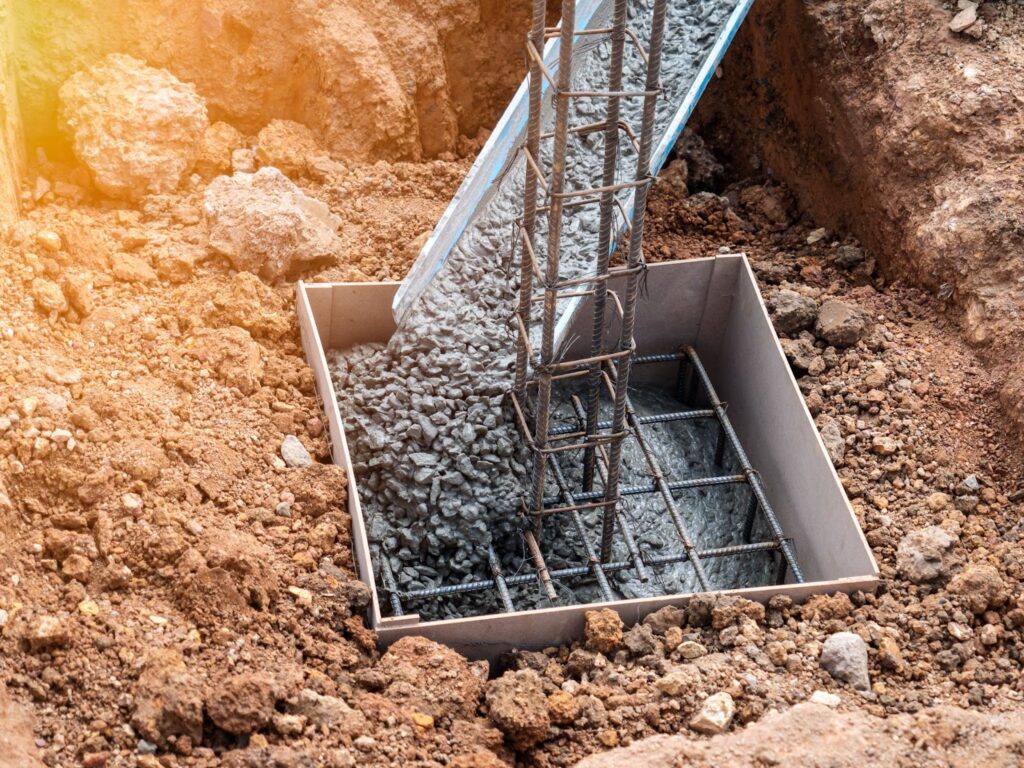
“Soil Type Matters in Residential Structural Engineering”
Choosing the best foundation for a house is a critical decision – especially in residential structural engineering because it impacts the stability, durability, load-bearing capacity, drainage and cost of construction. Several factors need to be considered to ensure the foundation is appropriate for the specific conditions of the site and the building. Here are some of the key factors to consider:
- Soil Conditions: Assess the soil’s bearing capacity, moisture content, and stability. Weak or expansive soils may require deeper or reinforced foundations.
- Climate: In colder regions, foundations should extend below the frost line to prevent shifting. In flood-prone areas, raised foundations can offer protection.
- Building Design and Load: Larger or multi-storey homes need stronger foundations to support increased weight.Good soil supports the foundation in residential structural engineering projects, preventing settlement and collapse.
- Budget: Different foundation types vary in cost. Slab-on-grade foundations are often more affordable, while basements provide additional living space but at a higher cost.
- Site Characteristics: Consider the site’s slope, water table level, and accessibility. Complicated terrains or high water tables may necessitate specialized foundations.
- Drainage & Stability: Proper soil type is key in residential structural engineering to mitigate moisture-related shifts and maintain long-term stability.
Consulting with a structural engineer can help determine the most suitable foundation based on these factors.At VVT Engineering, our expertise in residential structural engineering and soil testing ensures we design durable, safe foundations tailored to your project’s unique soil conditions.we assist you to make best decisions to make robust foundations.